

Rooted in place and guided by nature, Taza Park reflects deep respect for the land, for Tsuut’ina Nation, and for the knowledge carried in plants that have sustained life here for generations.
Across the Nation, plants are more than scenery. They are teachers, medicines, foods, materials, and memory—threads that tie people to place. As Taza Park takes shape, the team not only acknowledges that relationship but designs it into daily life. Landscaping, streetscapes, and water systems lean on native species and land‑led principles so the community functions as a living ecosystem. Here, development follows a different set of instructions. The land leads. Culture carries. Design listens
8 plants THAT GUIDE AND NOURISH
For Tsuut’ina Nation, plants are kin. They feed, heal, shelter, and guide. Each of the eight plants on this list serves a purpose—cultural, practical, and ecological. Read on to see how scent, seed, berry, and branch carry knowledge into everyday life and keep the land working as it should.
- Prairie Sage
Gathered with care for protection and smudging ceremony, prairie sage anchors practices of respect, reminding us to arrive with intention. - Sweetgrass
Braided and known for its warm scent, sweetgrass is an offering and a reminder of reciprocity with the land—care given, care returned. - Saskatoon (Serviceberry)
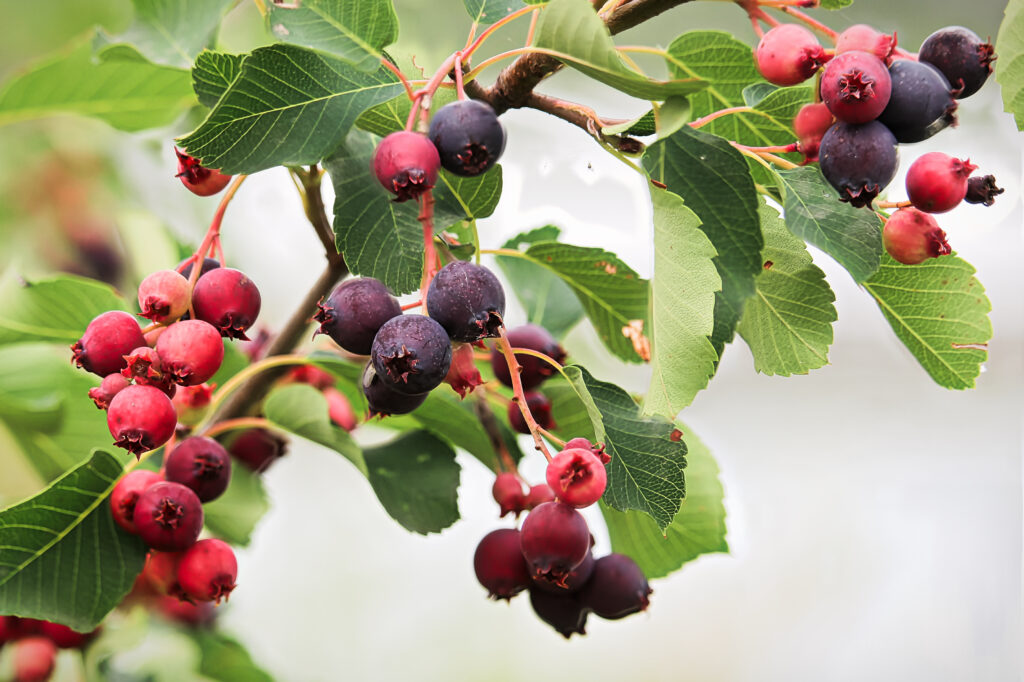
Saskatoon berries nourish both tradition and table. Offered after the first thunder of spring, they mark seasonal cycles and carry ceremonial meaning. - Wild Rose
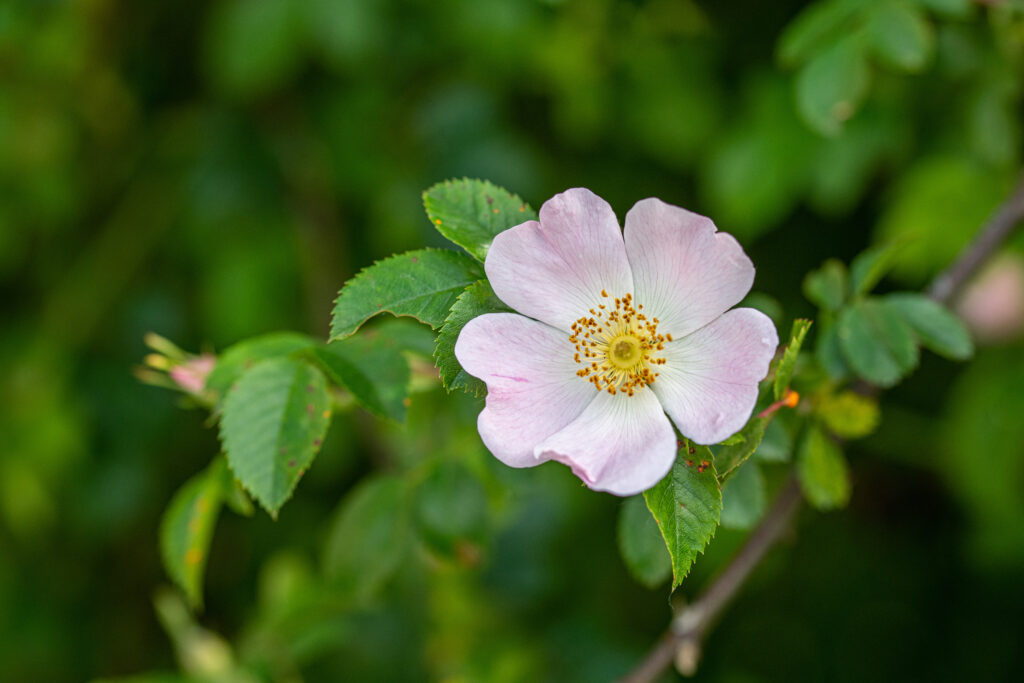
A bloom that welcomes and a thorn that reminds. Alberta’s flower captures grace and resilience in the same stem— a powerful lesson that one cannot exist without the other. - Chokecherry
Food and medicine both, chokecherry supports wellness through remedies derived from its bark. Its story continues along Chokecherry Lane—one of Taza Park’s many streetnames that tie memory to place. - Wolf Willow (Silverberry)
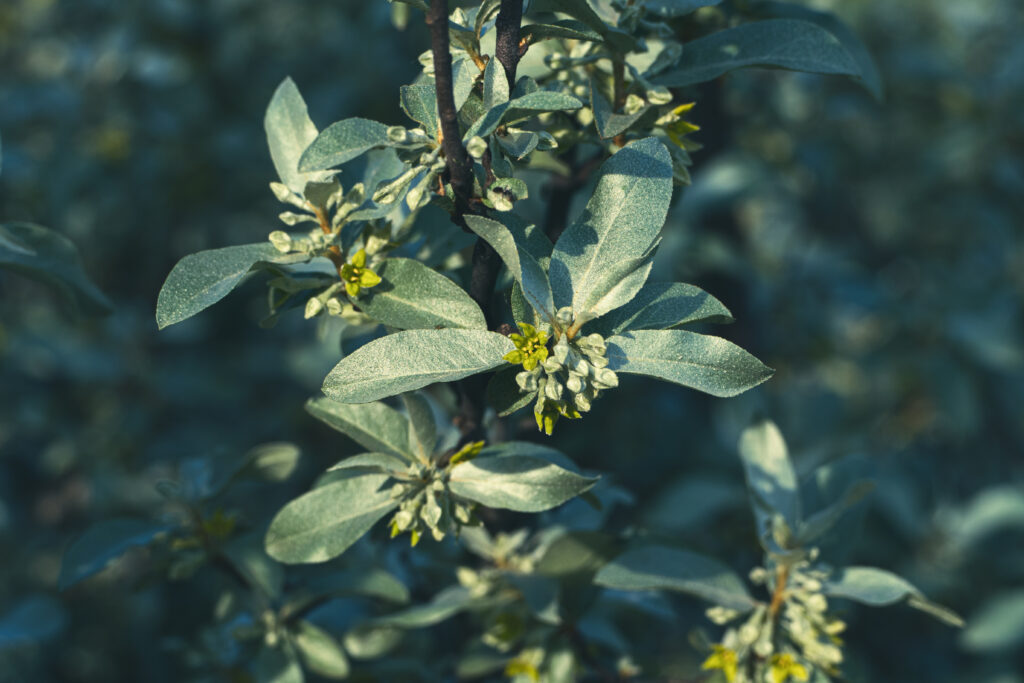
With fragrant yellow blooms and silvery leaves, wolf willow holds stories in its seeds, traditionally prepared for beadwork—art carried from the land. - Willow
Flexible and purposeful, willow supports ceremonial structures and teachings of balance and adaptability—a quiet lesson in form and function. - Black Birch (Swamp Birch)
Gathered for sweats in the fall and winter, black birch connects ceremony and season. Its name also lives on in Crystal Creek Homes’ future condominiums, Black Birch Heights.
Together, these species cool streets, feed pollinators, build soil, and guide water back into the ground. They ask less—less irrigation, less maintenance—and give more habitat, more shade, more belonging. In their presence, the land feels not only beautiful, but generous.
Why native plants matter
Native plants aren’t simply local; they are foundational. For generations they have supported food systems, medicine, ceremony, and shelter.
Ecologically, these species fit the regional climate and soils, support pollinators and wildlife, and stabilize water and nutrient cycles. Socially and spiritually, they anchor identity and belonging.
At Taza Park, these species do all of the above — helping the land thrive while carrying forward living knowledge. In a changing climate, they also offer practical wisdom: plant what belongs and it will endure.
DESIGN THAT LISTENS TO THE LAND
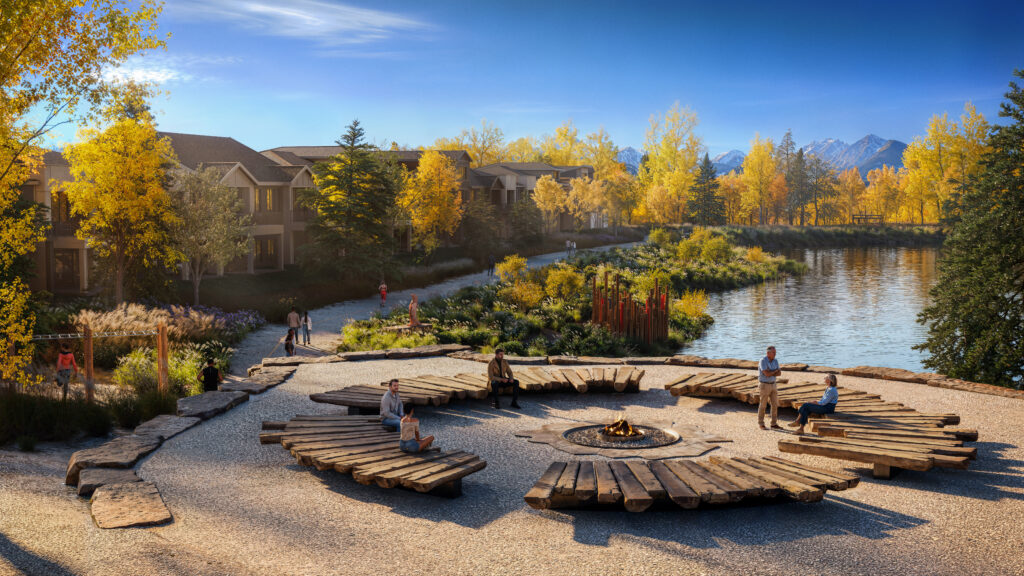
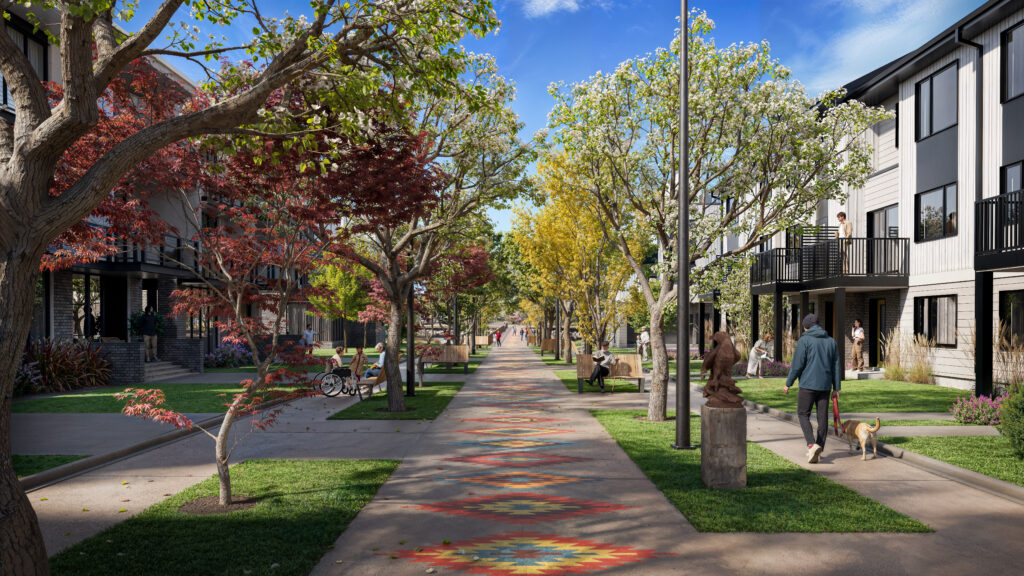
When the land leads, design becomes a conversation. At Taza Park, planners preserve the natural north-to-south slope to keep views, create gentle transitions, and maintain continuity across the landscape. Paths follow the logic set by topography. Green spaces connect destinations like stepping stones. Shade trees and native understory plantings make walking feel natural and comfortable. It’s a simple idea with powerful effects: let forces already at work—sun, wind, water, soil—shape how people move and gather.
This approach advances a commitment to stewardship: the land is a guide, not a backdrop. You can see it in everyday moments—cooler sidewalks beneath tree canopy, seasonal berries along a familiar route, birds and pollinators working the edges of parks and stormwater areas. The ordinary turns vivid when the landscape does its work.

planting with purpose
Across streets, parks, and open spaces, Taza Park integrates native and regionally appropriate vegetation to embrace Tsuut’ina Nation’s relationship with the land and strengthen ecological function. This shows up in clear, everyday ways— by what you see, feel, and experience on a walk:
- By Comfort
Shade from native trees cools sidewalks and seating areas, making daily routes more inviting in summer and more protected in shoulder seasons. - By Habitat
Layered plant communities (canopy, shrubs, groundcover) create food and shelter for birds, pollinators, and small wildlife, increasing biodiversity close to home. - By Water
Deep‑rooted native species improve soil structure, slow stormwater, and help it infiltrate—reducing runoff and supporting healthier creeks and wetlands. - By Care
Plants adapted to local conditions need less irrigation and fewer inputs, focusing maintenance on thoughtful stewardship rather than constant intervention. - By Continuity
Species with cultural significance—like saskatoon, chokecherry, and willow—appear in parks and along streets, connecting daily life to teachings and seasonal rhythms. - By Legibility
Plant palettes repeat across streetscapes and open spaces so the landscape reads as one connected system, not a series of unrelated plantings.
This is long-term sustainability in practice and principle — one of Taza’s Four Pillars, Nature and Connection to the Land—where cultural continuity, environmental performance, and everyday experience align.
The DIFFERENCE YOU CAN FEEL
What sets Taza Park apart from surrounding communities is both subtle and unmistakable. Rather than applying a fixed template, the team builds the plan around the site’s natural systems with Tsuut’ina teachings at the centre.
Streets follow the terrain instead of resisting it. Plant palettes draw from the region rather than import from elsewhere. Water slows down and sinks in, it’s not rushed away.
A LASTING CONNECTION TO THE LAND
By listening to the land and integrating native species, Taza Park becomes more than a collection of homes and parks— it becomes an experience of place. Each decision, from preserving a slope to planting chokecherry trees along Chokecherry Lane, belongs to a larger arc that values reciprocity, continuity, and care.
You can feel that in small ways: the comfort of a shaded walk, the quiet pride of recognizing a plant and its story, the awareness that what thrives here has always belonged here and will always be.
A LIVING PLACE, TAKING SHAPE
Taza Park is becoming itself in real time. Some moments are already here—names that carry meaning, native plantings settling into soil, paths following the land’s natural grade. Others are in motion— streetscapes extending, canopy maturing, and layered habitats that will knit parks and open spaces together.
As the community grows, the principles stay steady: let the land lead, plant what belongs, and design for continuity between culture and ecology.
Visit now and you’ll see the framework—early plant communities, thoughtful grading that keeps views and routes intuitive, and places where shade and identity are beginning to read. Come back as seasons and years pass, and you’ll watch the story deepen: berries along familiar paths, birds and pollinators at the edges of green spaces, comfort under a maturing canopy. This is how a land-led community reveals itself—not all at once but in steady, tangible steps that invite you to see differently each time.